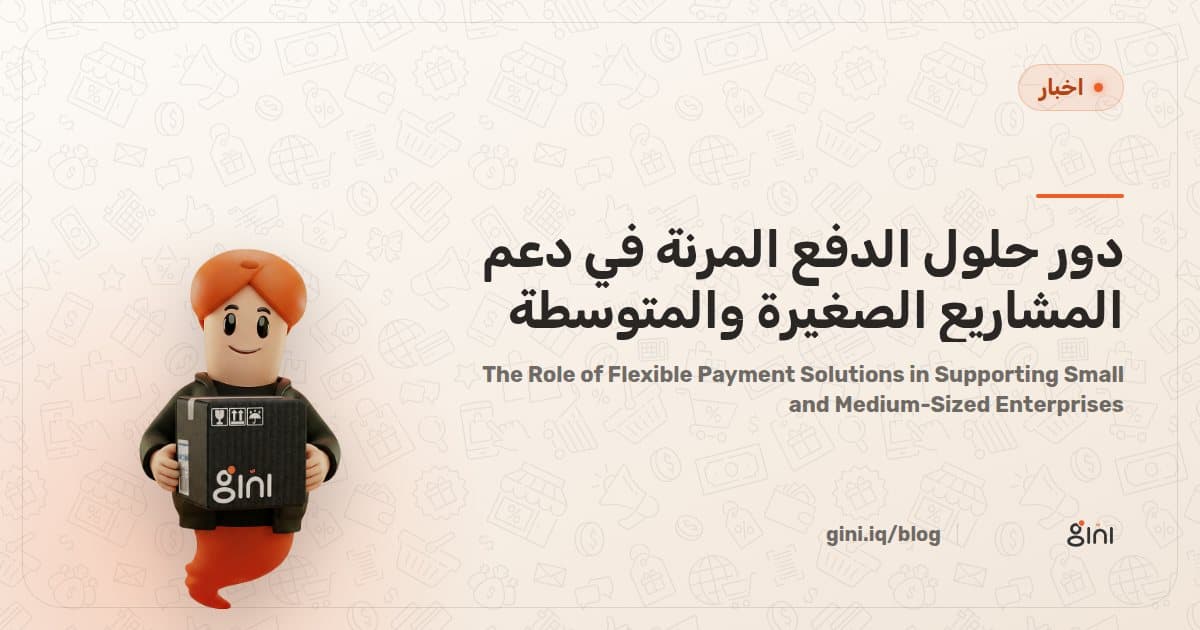
In recent years, technological advancement and digital transformation have introduced new solutions that have helped these businesses overcome many traditional obstacles. Among the most impactful developments, flexible payment solutions have emerged as a key factor in improving business environments and enhancing the ability of SMEs to grow and compete effectively.
Traditionally, sales transactions relied mainly on direct cash payments or limited payment methods, which often created barriers for certain customers and affected sales performance. Many consumers hesitated to complete purchases that required large upfront payments, even when they genuinely needed the products or services. This created an additional challenge for smaller businesses that relied heavily on attracting diverse customer segments.
With the emergence of flexible payment solutions, businesses gained the ability to offer multiple payment methods that allow customers to choose options best suited to their financial situations. These solutions include electronic payments, installment plans, and flexible purchasing options that help distribute financial commitments in ways that are more manageable for consumers.
The importance of these solutions lies in the fact that they do not only benefit customers; they also create greater opportunities for businesses to reach broader consumer segments. When more flexible payment methods become available, products and services become more accessible, which can positively influence purchasing activity and market demand.
Flexible payment options can also significantly improve customer experience. Modern consumers no longer focus solely on product quality or pricing; they also care about ease of purchase, clear processes, and convenient options that simplify transactions. The smoother the payment experience, the greater the likelihood that customers will return and make future purchases.
As e-commerce continues to expand, many digital platforms have started adopting more flexible models for purchasing and payment services. In the GINI marketplace, payment options have become part of a broader digital experience that gives local merchants and customers greater freedom to choose solutions suited to their different needs. This reflects a broader movement toward building more integrated digital environments capable of supporting businesses of all sizes.
Another important advantage of flexible payment solutions is their ability to improve the competitiveness of SMEs. In modern markets, competition is no longer based solely on product quality or pricing. Supporting services, including payment options, have become equally important. Providing a convenient and seamless purchasing experience can become a decisive factor in influencing customer preferences.
In addition, modern digital solutions provide business owners with valuable data and insights that help them better understand customer behavior. As electronic systems continue to evolve, businesses can now analyze purchasing trends, track usage patterns, and identify customer needs more accurately, helping them make more effective operational and marketing decisions.
Technology has also played an important role in reducing the complexities associated with traditional payment systems. Many services now offer faster and more convenient procedures for both merchants and customers, contributing to improved operational efficiency and reducing the time and effort required to complete transactions.
As financial technologies continue to evolve, the importance of flexible payment solutions is expected to increase further in the coming years, especially with growing consumer reliance on digital services, widespread smartphone usage, and continued expansion of e-commerce. In the future, more solutions powered by artificial intelligence and data analytics may emerge to deliver increasingly personalized and flexible experiences.
In conclusion, flexible payment solutions are no longer simply additional financial tools; they have become an essential component of the modern digital business ecosystem. They not only simplify purchasing processes but also play a critical role in supporting SMEs, enabling them to reach broader customer segments, improve competitiveness, and contribute to building a more advanced and sustainable commercial environment.