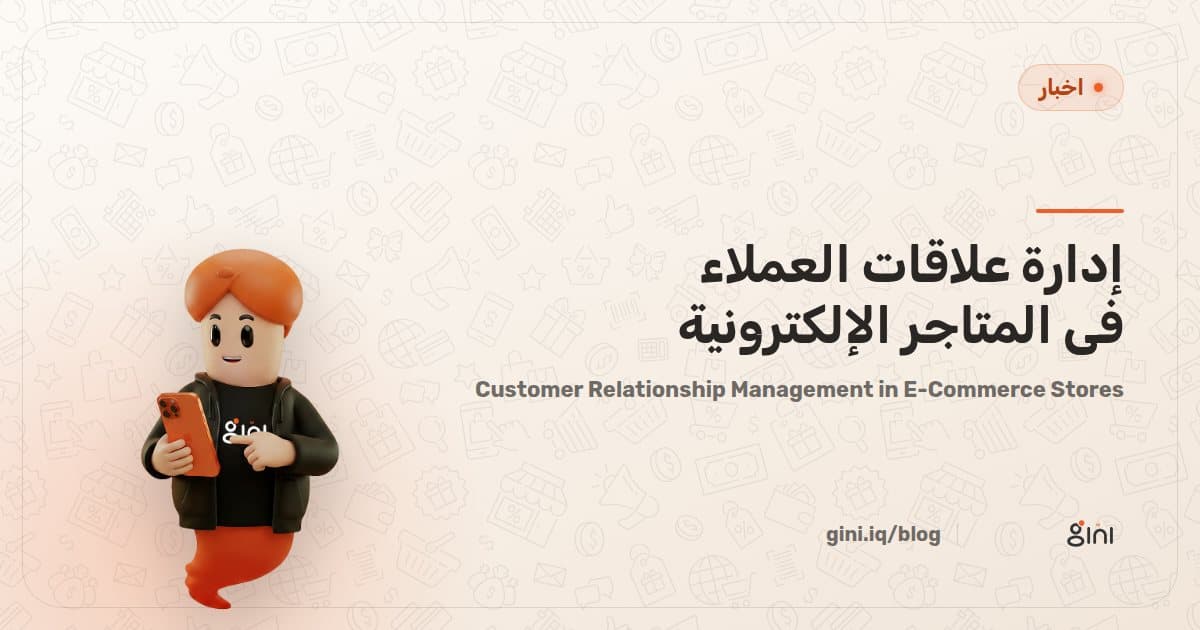
Concept of Customer Relationship Management
Customer Relationship Management refers to a set of strategies, technologies, and systems used by organizations to manage interactions and relationships with customers in order to improve their experience, increase satisfaction, and strengthen loyalty. CRM relies on collecting and analyzing customer data to understand behavior and needs and provide products and services that meet customer requirements.
In e-commerce stores, CRM depends on the use of digital systems and modern software that help track customer behavior within the online store and analyze purchasing patterns and interactions with products and services. These systems also help organize information and facilitate communication with customers more effectively.
Importance of Customer Relationship Management in E-Commerce Stores
Customer Relationship Management has great importance in e-commerce stores due to the nature of the digital environment, which relies mainly on electronic interaction instead of direct communication. The most important aspects of CRM include:
Enhancing Customer Satisfaction
CRM helps online stores better understand customer needs and expectations, allowing them to provide products and services that align with customer preferences. When customers receive a positive experience, they feel a higher level of satisfaction.
Increasing Customer Loyalty
Retaining existing customers is generally less expensive than attracting new ones. Therefore, CRM helps build long-term relationships through personalized services, special offers, and reward programs that encourage customers to repeat purchases.
Improving Communication with Customers
CRM systems provide multiple communication channels such as email, text messages, chat applications, and technical support services. These tools contribute to faster responses to customer inquiries and more efficient problem-solving.
Increasing Sales and Profits
When online stores understand customer behavior and analyze customer interests, they can provide personalized recommendations and offers that increase purchasing opportunities and generate greater profits.
Components of Customer Relationship Management in E-Commerce Stores
Customer Relationship Management in e-commerce stores relies on several essential components that help improve performance and achieve business goals, including:
Collecting Customer Data
Data is considered one of the most important elements in CRM. Information such as registration details, purchase history, interests, and customer preferences is collected.
Data Analysis
After collecting information, data analysis tools and techniques are used to understand customer behavior and identify purchasing patterns and needs.
Personalizing Services and Offers
Analyzed data helps provide customized offers and products tailored to each customer according to their interests and behavior, thereby improving user experience.
Support and Follow-Up Services
These services include responding to customer inquiries, handling complaints, and providing post-purchase support to enhance trust and satisfaction.
The Role of Technology in Developing Customer Relationship Management
Modern technology has played a major role in developing CRM systems within e-commerce stores. Artificial intelligence and big data analytics technologies have improved companies’ ability to understand customers more accurately.
In addition, chatbots and intelligent assistants have become capable of providing instant customer support and answering inquiries at any time. Advanced analytical tools have also contributed to generating accurate reports that support more efficient marketing decisions.
Challenges Facing Customer Relationship Management in E-Commerce Stores
Despite the many advantages of CRM, several challenges may affect its effectiveness, including:
Data Protection and Privacy
CRM systems rely on collecting large amounts of personal information, creating challenges related to data protection and preventing unauthorized access.
Differences in Customer Needs
Customers differ in their interests, expectations, and purchasing behaviors, making it difficult at times to provide services that satisfy everyone.
High Competition
Online stores face intense competition, making it necessary to develop innovative strategies for customer retention.
Continuous Technological Development
Rapid technological advancement requires continuous updates to systems and strategies to keep up with modern changes.
The Future of Customer Relationship Management in E-Commerce Stores
CRM is expected to experience significant developments in the coming years due to advancements in artificial intelligence, data analysis, and machine learning technologies. Systems will become more capable of predicting customer needs and providing more personalized experiences.
The importance of instant interaction and the use of augmented reality and virtual reality technologies is also expected to increase to improve online shopping experiences and make them more interactive and realistic.
Conclusion
In conclusion, Customer Relationship Management has become one of the essential factors in the success of e-commerce stores and the achievement of their marketing and competitive goals. It helps improve customer experiences, strengthen loyalty, and increase sales by understanding customer needs and providing personalized and effective services. With ongoing technological development, CRM will become even more important as a strategic tool for building strong and sustainable relationships between online stores and customers while ensuring success in growing digital markets.